
Navigating Perimenopause Weight Gain in New Orleans: HRT, Metabolism, and Local Wellness Strategies

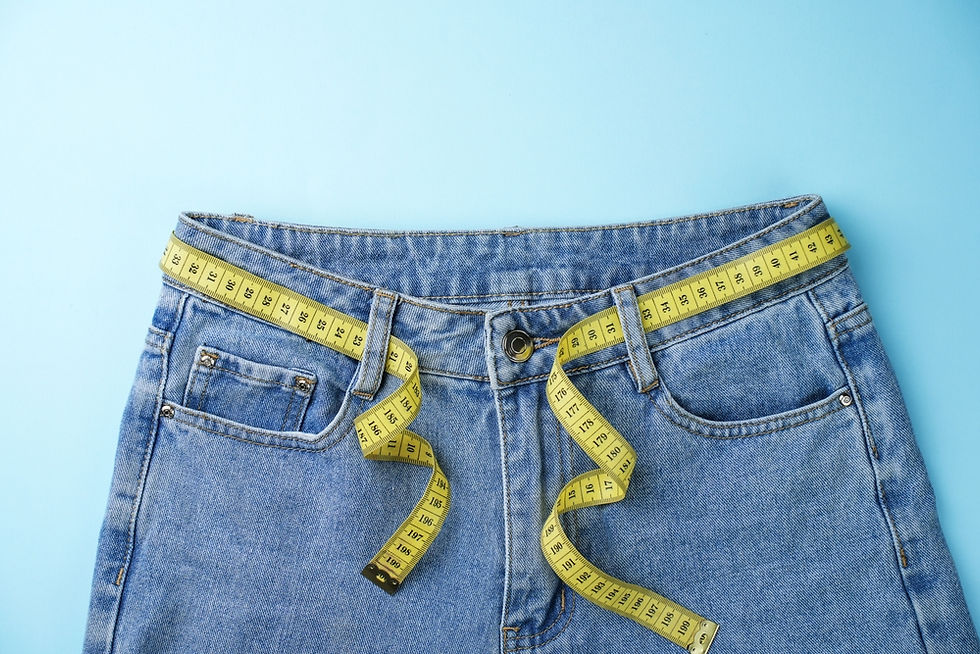
If your usual eating and exercise habits suddenly seem less effective in your 40s, perimenopause may be part of the picture. For women in New Orleans, disrupted sleep, hot flashes, busy schedules, and long stretches of hot, humid weather can make managing changing weight and energy even more complicated.
Quick answer: Perimenopause weight gain can involve several overlapping factors, including hormonal changes, aging-related changes in body composition, sleep disruption, activity levels, nutrition, and individual metabolic health. Hormone replacement therapy, or HRT, may be appropriate for some women primarily to manage menopause symptoms, but it should not be viewed as a stand-alone weight-loss treatment. A personalized medical evaluation can help identify which factors deserve attention.
What local women should know
Perimenopause can begin before periods stop completely, and symptoms and cycle changes can vary considerably from one woman to another.
Hormonal changes may contribute to changes in fat distribution, including increased abdominal fat, while aging and lifestyle factors can also influence weight.
New Orleans heat and humidity can make outdoor exercise less comfortable during parts of the year, so flexible indoor and outdoor activity options can help with consistency.
HRT decisions should be individualized based on symptoms, medical history, potential benefits, and potential risks.
Weight is only one part of metabolic health. Blood pressure, blood sugar, cholesterol, sleep, strength, waist circumference, medications, and other health factors can provide useful context.
Why Does Perimenopause Weight Gain Matter in New Orleans?
Perimenopause weight gain matters in New Orleans because hormonal changes can overlap with sleep disruption, changing body composition, lifestyle demands, and a climate that may affect exercise routines. Rather than assuming every extra pound has one cause, women can benefit from looking at the complete metabolic and hormonal picture.
From Uptown and the Garden District to Mid-City, Lakeview, Gentilly, and nearby Metairie, local women may find that routines that worked in their 20s and 30s become harder to maintain or produce different results during midlife.
At Transformation Primary Care and Wellness Clinic, we believe these changes deserve a personalized medical conversation rather than a one-size-fits-all diet plan. Our goal is to consider symptoms and broader health factors together when discussing appropriate options.
What Does Research Say About Weight and Midlife?
Public health data show that weight concerns are particularly relevant during midlife, although population statistics cannot explain why an individual woman is gaining weight. National Center for Health Statistics data from August 2021 through August 2023 found obesity prevalence was highest among adults ages 40 to 59 compared with the younger and older age groups studied.
That does not mean menopause alone caused those differences. Aging, activity, nutrition, sleep, medications, medical conditions, and many other factors can contribute.
Locally, menopause-focused health resources also recognize the relationship between hormonal changes and weight. Ochsner Health's New Orleans menopause resources note that declining estrogen can affect fat distribution, while aging, physical activity, and diet may also contribute to weight gain.
BMI can be useful as a screening measure, but the CDC emphasizes that it should be considered alongside medical history, health behaviors, examination findings, and laboratory findings rather than used as a complete assessment of someone's health.
How Can Perimenopause Affect Metabolism and Body Composition?
Perimenopause can affect body composition through changing reproductive hormones, while age-related muscle loss, sleep changes, activity, and nutrition can also influence how much energy the body uses and where fat is stored. This is why simply eating less may not address everything contributing to a woman's changing weight.
A woman might notice that her waistline is changing even when the scale has moved only modestly. Others notice reduced strength, lower energy, stronger cravings, or difficulty maintaining previous routines.
Sleep deserves particular attention. Night sweats or other symptoms can make restful sleep difficult, and persistent fatigue may make regular movement, meal planning, and resistance training harder to sustain.
For New Orleans residents dealing with long, humid summers, maintaining activity may also require adapting routines rather than abandoning them. Indoor strength training, walking earlier in the morning, or choosing climate-controlled exercise options can make consistency more realistic.
What Are Signs That Weight Changes Deserve a Medical Evaluation?
Weight changes deserve a medical evaluation when they are unexplained, persistent, accompanied by significant symptoms, or occurring despite reasonable efforts with nutrition and activity. The goal is not to assume hormones are responsible, but to understand the larger health picture.
Signs worth discussing with a healthcare professional include:
Noticeable or unexplained weight changes
Increasing abdominal weight or waist circumference
Irregular or changing menstrual cycles
Hot flashes or night sweats
Persistent sleep problems
Significant fatigue or reduced exercise tolerance
Changes in mood or concentration
Difficulty maintaining muscle or strength
These symptoms do not automatically mean HRT is appropriate. They provide information that can help guide a more complete evaluation.
When Should You Talk to a Healthcare Professional?
You should talk to a healthcare professional when perimenopause symptoms or weight changes are affecting your quality of life, sleep, daily functioning, or broader health goals. Professional evaluation is also appropriate when you want to understand whether another health issue could be contributing.
Tracking periods, symptoms, sleep, activity, and weight trends before an appointment can be useful. Bringing an updated medication and supplement list can also help your clinician see the broader picture.
Women in Orleans Parish and neighboring Jefferson Parish should seek prompt medical attention for symptoms that seem severe or unusual rather than assuming they are simply part of menopause.
What Commonly Contributes to Midlife Weight Changes?
Midlife weight changes usually have multiple contributors rather than a single hormonal cause. Identifying the factors that apply to you can lead to a more sustainable strategy than chasing one supposed metabolism fix.
1. Hormonal changes: Changing estrogen levels can influence fat distribution and other aspects of the menopause transition.
2. Changes in muscle mass: Maintaining muscle becomes increasingly important with age because muscle supports strength, function, and energy expenditure.
3. Sleep disruption: Hot flashes, night sweats, stress, and inconsistent sleep can make healthy routines more difficult.
4. Reduced activity: Work, caregiving, fatigue, injuries, and Louisiana's hot summer weather can all interfere with regular movement.
5. Nutrition patterns: Portion sizes, alcohol, highly processed foods, and insufficient protein or fiber may make weight management more challenging for some people.
6. Other health factors: Medications and medical conditions can sometimes affect weight, which is another reason individualized evaluation matters.
What Wellness Strategies Can Help During Perimenopause?
Effective perimenopause wellness strategies generally focus on sustainable nutrition, resistance exercise, regular movement, adequate sleep, and appropriate medical care rather than extreme dieting. In New Orleans, the most useful plan is one that also works with local weather, work demands, family routines, and your actual health needs.
Prioritize resistance training to help preserve or build muscle. Add cardiovascular activity and everyday movement in forms you can perform consistently.
Build meals around nutrient-dense foods and appropriate portions, including protein, vegetables, fruit, whole-food carbohydrate sources, and healthy fats according to your individual needs.
During hotter months, consider shifting outdoor walks to cooler times of day or using indoor alternatives. Hydration also deserves attention when exercising in South Louisiana's heat and humidity.
DIY wellness efforts should stop short of self-prescribing hormones or making major medical changes without professional guidance.
What Results Should You Expect From a Perimenopause Wellness Plan?
A realistic perimenopause wellness plan should aim for improvements in health, symptoms, strength, energy, sleep, and sustainable weight management rather than promising rapid weight loss. Individual results vary because women enter this stage with different medical histories, symptoms, body compositions, medications, and lifestyles.
Progress may also look different than it did earlier in adulthood. Improved strength, better sleep, a changing waist measurement, improved metabolic markers, or greater consistency with healthy routines can all provide useful information alongside scale weight.
What Are Common Mistakes With Perimenopause Weight Loss?
Common perimenopause weight-loss mistakes include extreme calorie restriction, ignoring strength training, blaming every change on hormones, and treating HRT as a weight-loss shortcut. A more effective approach considers symptoms, metabolic health, nutrition, movement, sleep, and medical history together.
Mistake: Cutting food intake aggressively.
Consequence: An overly restrictive approach may be difficult to sustain and can make it harder to meet nutritional needs.
Better approach: Build a realistic nutrition strategy appropriate for your health and goals.
Mistake: Doing cardio but skipping resistance exercise.
Consequence: You may miss an important opportunity to support muscle and strength.
Better approach: Include appropriate resistance training alongside cardiovascular movement.
Mistake: Assuming hormones explain everything.
Consequence: Other potentially relevant health or lifestyle factors may be overlooked.
Better approach: Discuss unexplained changes with a qualified healthcare professional.
Mistake: Expecting HRT to function like a weight-loss medication.
Consequence: Expectations may not match the primary purpose of treatment.
Better approach: Discuss HRT in the context of menopause symptoms, personal risks, potential benefits, and overall health.
A Common New Orleans Scenario
A common New Orleans scenario is a woman in her 40s noticing a thicker waistline, poorer sleep, and lower energy even though her overall lifestyle does not seem dramatically different. She may initially respond by exercising harder or restricting food, only to become frustrated when those changes do not address the whole picture.
This is a scenario, not a Transformation Primary Care and Wellness Clinic patient case.
A more complete approach would consider menstrual changes, menopause symptoms, sleep, nutrition, strength and activity, medications, relevant medical history, and metabolic risk factors. Depending on the individual, a clinician can then discuss which next steps are appropriate.
How Can HRT Fit Into Perimenopause Care?
HRT can be one component of individualized perimenopause care for appropriate patients, particularly when bothersome menopause symptoms are part of the problem, but it is not a universal solution or stand-alone weight-loss treatment. The decision requires an individualized discussion of symptoms, medical history, benefits, risks, preferences, and alternatives.
New Orleans women considering hormone therapy should avoid assuming that a friend's regimen or an online protocol will be right for them. Personalized medical evaluation matters because hormone therapy is not appropriate for everyone.
At our clinic, conversations about wellness can consider hormonal symptoms within the broader health picture rather than reducing midlife health to the number on a scale.
How Do Perimenopause Weight-Management Options Compare?
Perimenopause weight-management options work best when matched to the factor they are intended to address. Lifestyle changes provide an important foundation, medical evaluation can identify relevant health issues, and treatments such as HRT should be considered according to their appropriate medical purpose.
Lifestyle changes can support strength, nutrition, sleep, and metabolic health but may need personalization. A professional evaluation provides broader context when symptoms or unexplained changes are present. HRT may help appropriate patients manage certain menopause symptoms, but it should not replace nutrition, movement, sleep, or assessment of other metabolic factors.
For many women, the best strategy is not choosing one approach. It is coordinating the appropriate pieces.
What Areas Can Local Women Consider for Perimenopause Care?
Women seeking perimenopause and wellness support in the New Orleans area can benefit from care that accounts for the realities of living in South Louisiana. This includes residents of the city as well as nearby communities such as Metairie and other areas of Orleans and Jefferson parishes.
Local care can also make ongoing conversations about symptoms, wellness goals, and changing health needs more convenient.
What Can Happen If You Ignore Persistent Midlife Changes?
Ignoring persistent midlife weight changes can mean missing an opportunity to evaluate symptoms, metabolic risk factors, sleep problems, and other health concerns that may deserve attention. Waiting is not necessarily dangerous in every case, but unexplained or concerning changes should not automatically be dismissed as normal aging.
National data reinforce why metabolic health deserves attention during midlife. CDC data show obesity is common among U.S. adults, particularly in the 40-to-59 age group, although weight alone does not provide a complete picture of health.
FAQ
Is weight gain normal during perimenopause in New Orleans?
Weight changes can occur during perimenopause, but they should not automatically be considered unavoidable. Hormonal shifts, aging, sleep, nutrition, activity, medications, and other health factors can contribute. New Orleans weather and lifestyle patterns may also affect exercise consistency, making an individualized approach more useful than assuming estrogen is the only explanation.
Does perimenopause slow your metabolism?
Metabolic and body-composition changes can occur around midlife, but perimenopause is only part of the picture. Age-related changes in muscle mass, activity, sleep, nutrition, and hormonal changes can overlap. A healthcare professional can help evaluate why maintaining your previous weight has become more difficult.
Will HRT help me lose weight during perimenopause?
HRT should not be considered a primary weight-loss treatment. Hormone therapy may be appropriate for some women experiencing bothersome menopause symptoms, but decisions should be based on individual benefits, risks, symptoms, preferences, and medical history. Weight-management strategies may still include nutrition, exercise, sleep, and other appropriate medical care.
How can I stay active during a New Orleans summer?
Adjusting the time and location of exercise can make activity more manageable during hot, humid New Orleans weather. Consider early-morning outdoor activity, indoor walking, gym-based resistance training, swimming where appropriate, or home workouts. Choose exercise appropriate for your health and pay attention to heat exposure and hydration.
Should women in Orleans Parish have metabolic testing during perimenopause?
The appropriate health assessment depends on individual history, symptoms, medications, risk factors, and clinical judgment rather than location alone. If you have unexplained weight changes or concerns about metabolic health, discuss them with a healthcare professional who can determine what examination or testing is appropriate for you.
Is belly fat during perimenopause caused by estrogen?
Changing estrogen levels can contribute to changes in fat distribution, but estrogen is not the only potential factor. Aging, muscle mass, sleep, nutrition, physical activity, genetics, and overall health may also influence abdominal weight. Local menopause resources in New Orleans similarly describe hormonal, aging, diet, and activity factors as contributors.
Can strength training help women going through perimenopause?
Strength training can support muscle, physical function, and overall health during midlife. The appropriate program depends on your current fitness, health conditions, injuries, and experience. Women in Metairie, Uptown, Mid-City, and surrounding communities can use indoor resistance exercise as a practical option when South Louisiana weather limits outdoor activity.
When should I ask about HRT in New Orleans?
Ask about HRT when menopause-related symptoms are bothersome enough that you want to understand your treatment options. A clinician can review your symptoms, health history, potential benefits and risks, preferences, and alternatives. New Orleans also has established medical resources specifically serving women navigating perimenopause, menopause, and post-menopause.
Build a Midlife Wellness Strategy That Fits Your Life in New Orleans
Perimenopause can change how your body feels and responds, but the scale does not tell the whole story. Understanding your symptoms, metabolic health, sleep, nutrition, activity, and appropriate treatment options can help you make informed decisions about what comes next.
Feel more informed about your changing health with a personalized conversation at Transformation Primary Care and Wellness Clinic.



Comments